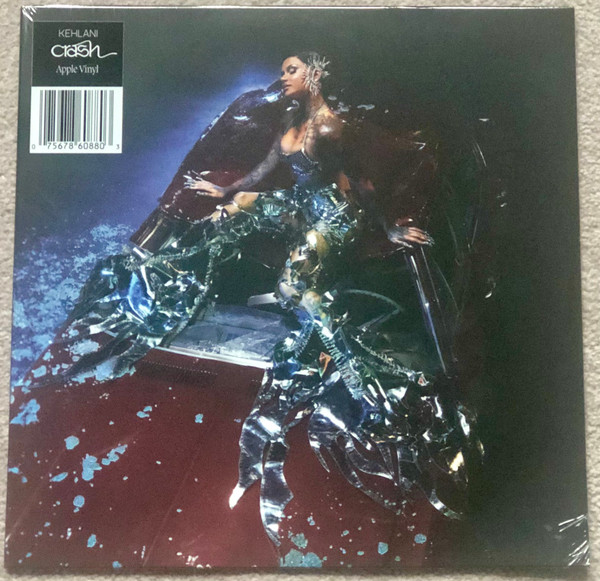
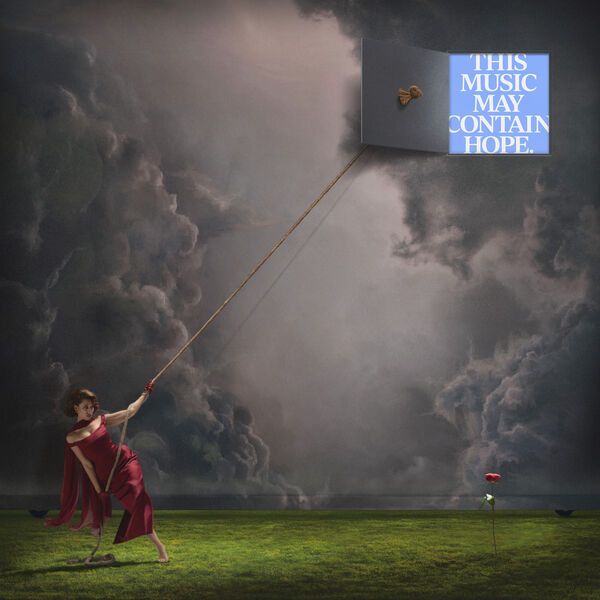
Mit Crash veröffentlichte Kehlani 2024 ihr viertes Studioalbum und präsentiert darauf eine vielseitige Mischung aus modernem R&B, Pop und Soul. Die Produktion reicht von treibenden, cluborientierten Grooves bis zu intimeren, atmosphärischen Momenten; als Gäste sind Jill Scott, Young Miko und Omah Lay dabei. Songs wie „After Hours“, „Next 2 U“, „Crash“ und „Sucia“ zeigen Kehlani dabei zwischen sinnlichem R&B und deutlich tanzbarerem Sound. Die Vinyl-Ausgabe enthält 12 Tracks.
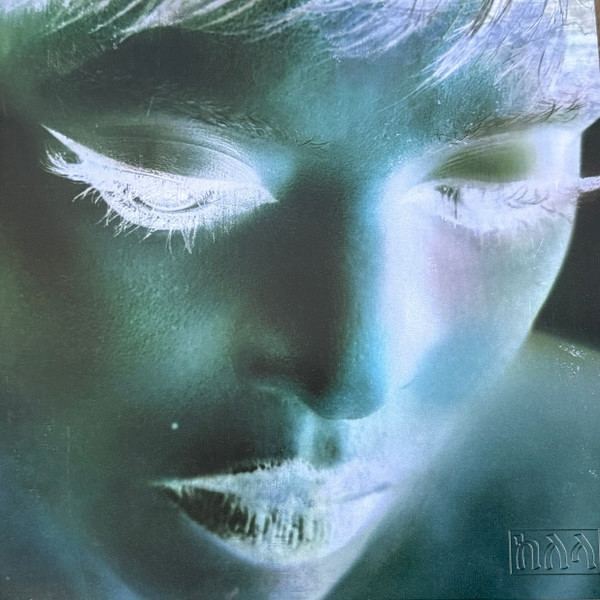
Mit »New Avatar« rückt alles, worauf Kelela hingearbeitet hat, in den Fokus. Sie begann ihre ersten Songs in der Indie-Szene von Washington, D.C. zu schreiben, bevor die Clubmusik und die elektronische Produktion, die ihre frühe Karriere prägten, die Oberhand gewannen. Mit »New Avatar« schließt sie den Kreis: R&B, unterlegt mit verzerrten Gitarrenklängen,
trifft auf neue Schnittstellen in der Tanzmusik und gipfelt in einem
Sound, der aus all den musikalischen Einflüssen schöpft, die sie je
geprägt haben. Das Album enthält zudem Kollaborationen mit Pink Pantheress, A. K. Paul und Fousheé.
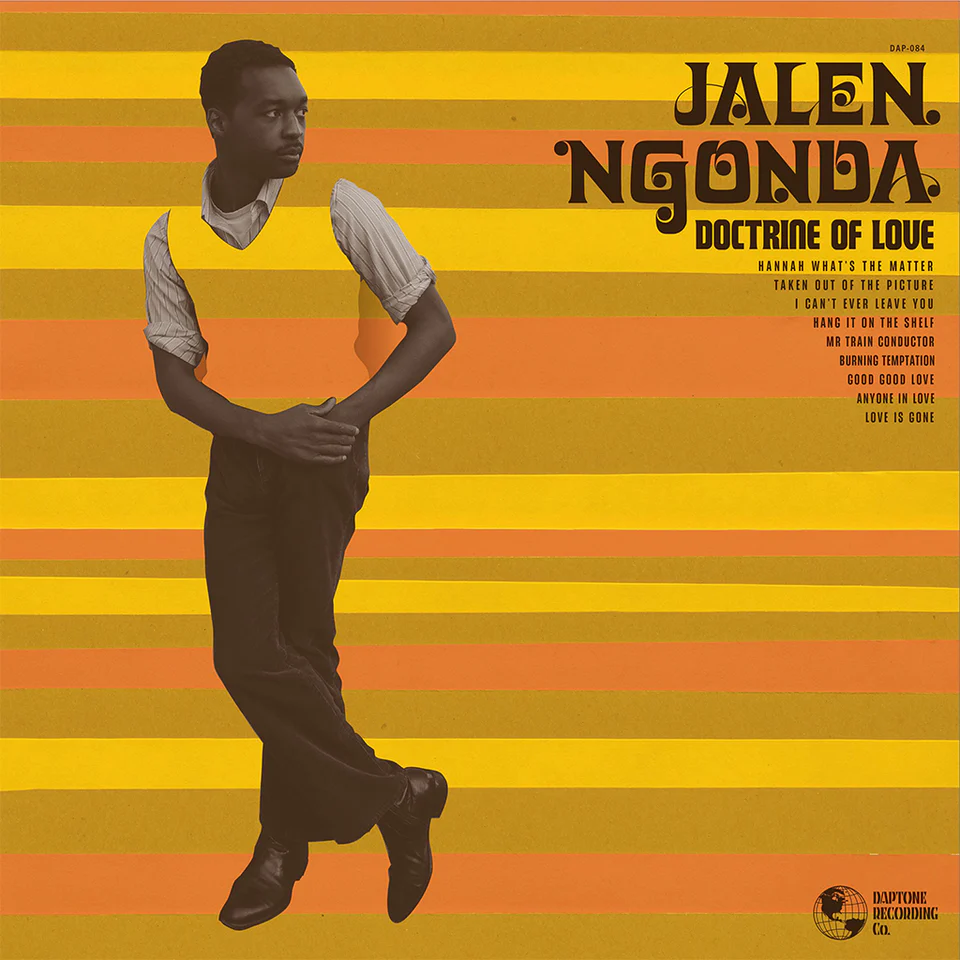
Das gefeierte Debütalbum des US-amerikanischen Soul-Sängers Jalen Ngonda. Mit seiner außer- gewöhnlichen Falsettstimme und einem Sound, der tief in der Soul-Musik der 1960er und 1970er Jahre verwurzelt ist, verbindet Ngonda zeitlose Eleganz mit moderner Frische (und manchmal auchmit einem Reggae - Twist). Warme Streicher, gefühlvolle Melodien und authentische Arrangements verleihen dem Album eine klassische Motown- und Northern-Soul-Atmosphäre. Doctrine Of Love etabliert Jalen Ngonda eindrucksvoll als eine der spannendsten neuen Stimmen des Contemporary Soul. Bei uns auch als Indie Exclusive Clear Color Vinyl inkl. MP3 Download card er- hältlich.
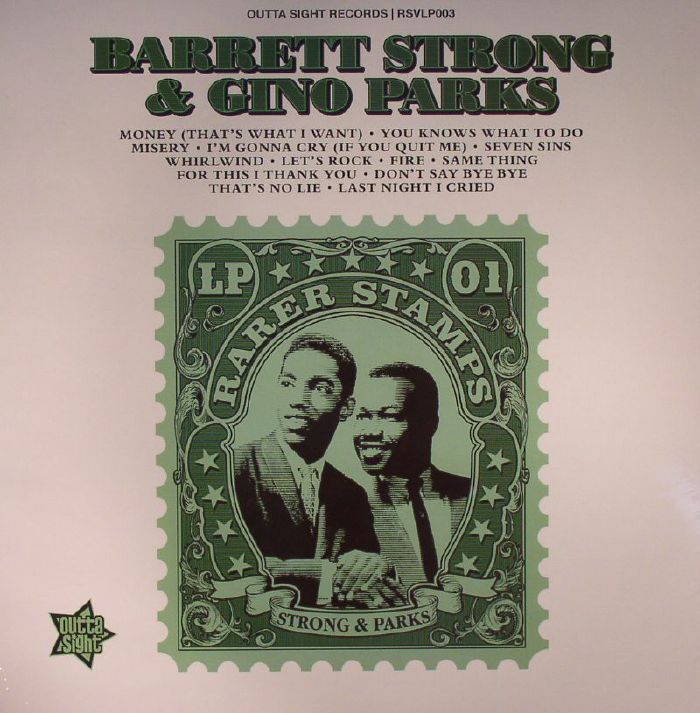
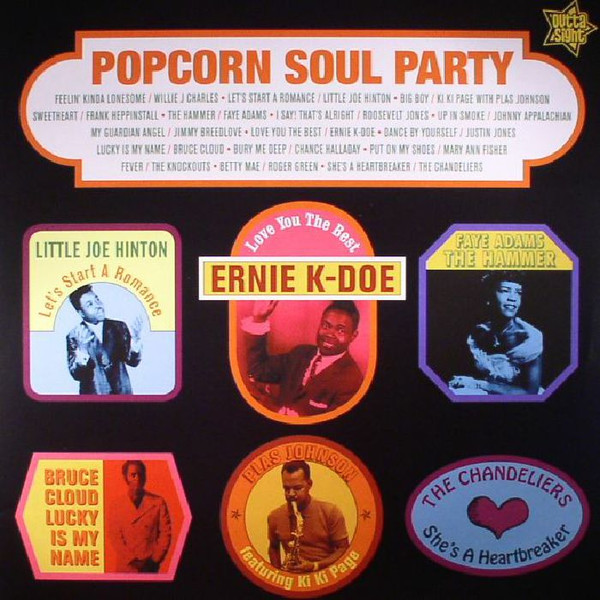
Outta Sight startet die neue Serie "Rarer Stamps", inspiriert von der legendären "Rare Stamps"-Serie auf dem Stax-Sublabel Volt Records aus den späten Sechzigern. "Rarer Stamps Vol.1" ist den Detroiter Soul-Größen Barrett Strong und Gino Parks gewidmet, mit einigen ihrer besten Aufnahmen und echten Raritäten!
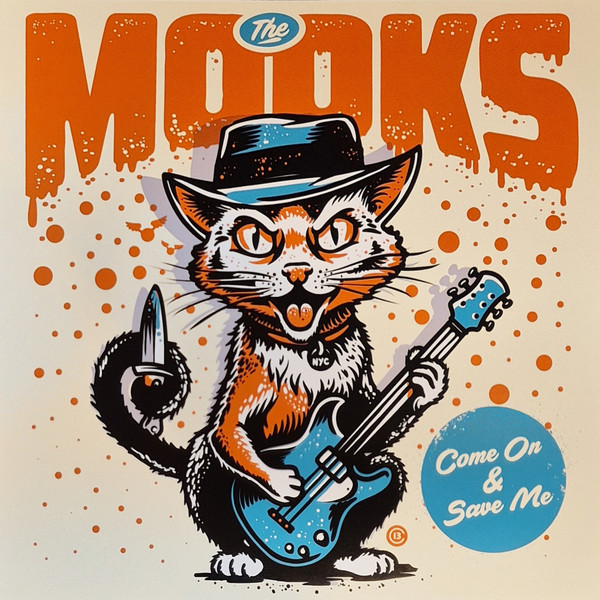
Zehn neue Songs präsentiert das bestens eingespielte Vintage-LoFi-Garage-Duo, das sich für »Come On And Save Me« kurzerhand mit Kontrabassist und Sänger Jory Kinjo in ein Trio verwandelt hat. Verblüffend ähnlich dem knarzigen Charme ihrer Liveshows spielen die drei erfahrenen Performer hier ohne Overdubs und überflüssige Studiotechnik mit viel Charme und Herzblut auf, vom tighten Garage-Blues á la Andre Williams bis hin zu melancholischen Soulballaden passt hier alles minimalistisch perfekt zueinander. Ein wunderbarer und interdisziplinärer Cocktail aus afroamerikanischer Roots-Musik!
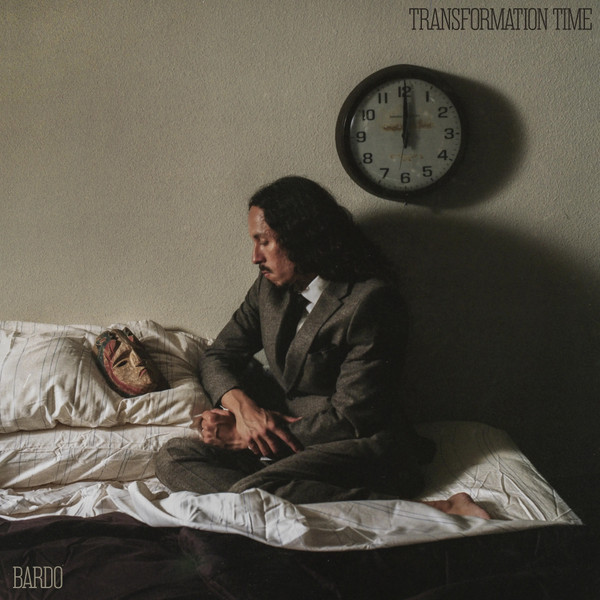
Nach Jahren als Frontmann von "Chicano Batman" aus Los Angeles veröffentlicht Bardo mit "Transformation Time" sein Debüt-Soloalbum auf dem legendären Label Stones Throw, home of legendary artists like J-Dilla, Peanutbutter Wolf, Madlib oder Mayor Hawthorne Mit einer Mischung aus Latin-Rhythmen, Funk-Grooves, Indie-Rock und Punk-Attitüde spiegelt Bardos Musik seine Wurzeln in Kalifornien, Mexiko und Kolumbien wider und schöpft aus einer lebendigen Mischung von R&B und Classic Rock bis hin zu Cumbia, Vallenato und Salsa.
Download card included.
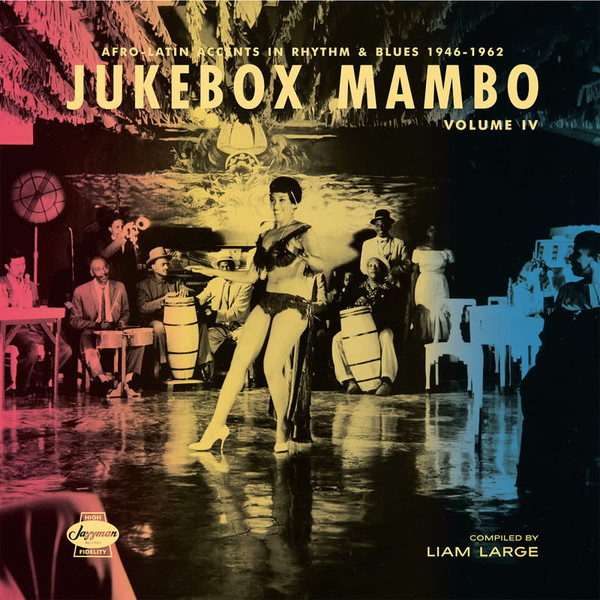
Ten years after our initial survey of Afro-Latin accented rhythm &
blues from the mid-century, Jazzman proudly presents a fourth
installment, packed with as many musical surprises as the first. With
music plucked from an era spanning the late 1940s into the early 60s,
Jukebox Mambo IV highlights yet again the unparalleled musical
creativity of the post war era, and shows how the infusion of afro-latin
rhythms was key to these revolutions.
Lovingly and painstakingly researched and curated, the album boasts 23
tracks, many previously uncompiled, touching on jazz, blues, doo wop,
calypso, rock & roll, gospel and more. Featuring individual track
notes for every song along with some never seen before photographs of
the artists, Jukebox Mambo Vol IV maintains the same high production
values of each previous volume, and indeed the wider Jazzman catalogue.
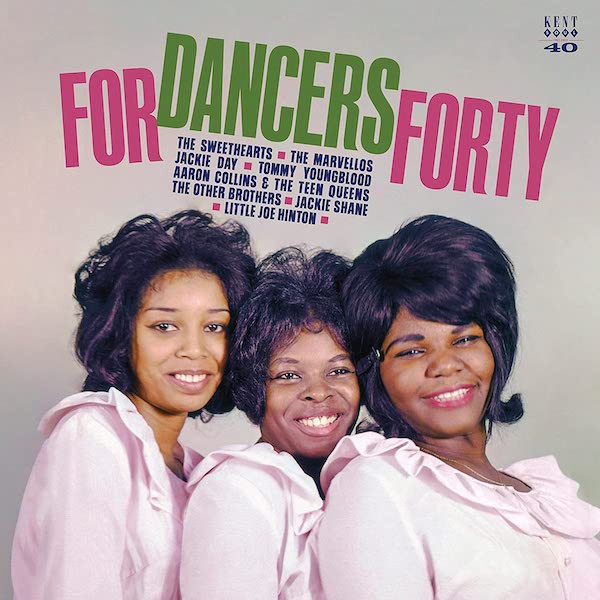
'For Dancers Forty' feiert 40 Jahre seit der bahnbrechenden LP 'For
Dancers Only', und greift wieder diverse Labels in Los Angeles auf. Wie
auf der legendären KENT 001 repräsentiert die Compilation wieder Soul
Stomper, Rhythm & Blues-Buster, 60s Grooves und himmlische
Harmonien. Die Sweethearts schmücken unser Cover mit einem kürzlich
entdeckten Farbfoto aus den Archiven von Moderns Chefingenieur Bill
Lazerus. Abgesehen von ihrem lebhaften 'This Couldn't Be Me' lieferten
sie den Background für viele der 60er-Jahre-Aufnahmen des Stalls. Klassisch, schwarzes Vinyl!
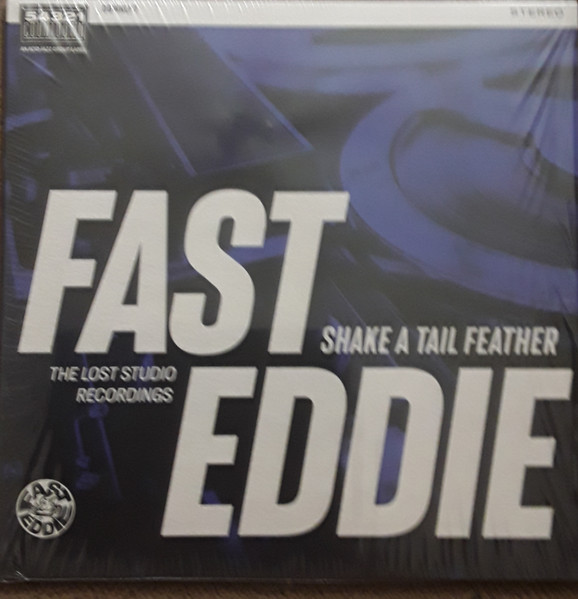
Eine Sammlung der verlorenen Aufnahmen von Fast Eddie - eine der
aufregendsten Live Bands des frühen 80ziger Mod Revival mit
Rhythm’n’Blues Einflüssen. Produziert Acid Jazz Gründer Eddie Piller ist
diese Sammlung ein wichtig Zeitzeugnis des Mod Revival und der Acid
Jazz Records Geschichte.
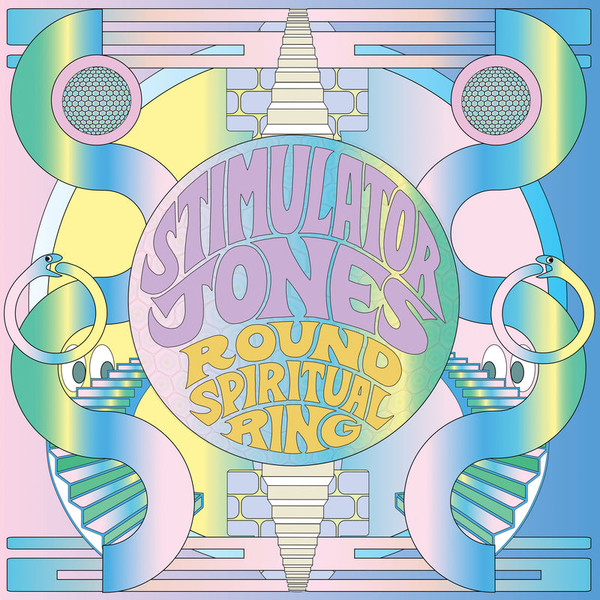
Das neue Album von Stimulator Jones frisch aus seinem Home Studio - in limiterter Auflage auf Vinyl.Auf
seinem neuen Album 'Round Spiritual Ring' kreiert Stimulator Jones eine
friedvollen und positiv-gestimmten Ausblick in die Zukunft und als
Gegensatz zu persönlichen Problemen. Aufgenommen ion Roanoke, Virgina in
seinem Home Studio, ließ er sich von der Umwelt seiner Heimatstadt und
seiner einzigartigen Instrumentensammlung inspirieren.
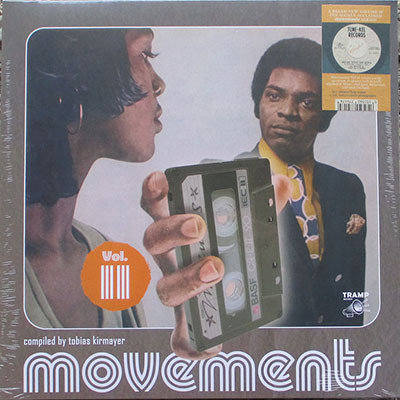
A bag full of rare rhythm & blues, mod-jazz, soul, and mid 70s funk.
Side A starts with rhythm & blues and jazz from the 1960s. The first three tracks were pulled from hopelessly obscure 7" singles. Macy & Company are responsible for the first 'aha' moment. Their version of 'Sixteen Tons' would have certainly astounded even Tennessee Ernie Ford. A truly fantastic version indeed! 'Snatchin' It Back' completes the first side with a furious big band jazz cut.
Side B is all about mod-jazz. 'Undun' is just like 'Big Boy' a sure-shot for any dancefloor. Rare Groove DJs will have a lot of fun spinning these tunes in a club. Admittedly, the next one is a strange cut. 'See How You Are' was recorded on a whim when they two composers were spontaneously pulled into a studio. High time for 'aha' effect #2. Many bands have tried their hands on a cover version of the Lee Morgan jazz classic, one of them being Mr. Palumbo. Listen closely to Dianne Elliott's contribution as it is a highlight for sure despite the fact von Frau Elliott.
Side C begins with 'aha' effect #3 and a fantastic cover version of Gerald Wilson's 'Viva Tirado'. 'Blue Jamaica', is the second track on Movements 11 were a vibraphone is the lead instrument. 'Bawana Jinde' is a wild, wailing blast of percussive instrumental explosion while 'The Creeper' is the perfect choice to finish this side.
Side D is reserved for proper 1970s funk. The flip side of Reunion's sole 45rpm single was included on a previous Tramp compilation album. 'A Brighter Day' has not been compiled yet. 'Real Life', 'Syrene' and 'Breezy' are all prime examples how mid 70s funk has to sound . A dream for B-Boys and B-Girls.
Those of you who have been enjoying the detective work of the people behind the label over the past 18 years know that the Movements series can be easily considered as the flagship compilation series on Tramp. So, after having listened to the entire selection of this brand new volume we sincerely hope that we will have achieved our aim to surprise, delight, and enlighten you once again!